Back to Blog
Guides•11 min read•1/7/2025
Gym Relocation: Everything You Need To Know For A Flawless Move
Moving your gym is one of the most stressful operations you can undertake as a gym owner. Tens of thousands of euros in valuable equipment, fragile electronics, heavy machines that need to fit through narrow doors, and the constant fear of damage or downtime that costs you revenue. Reality: 38% of DIY gym relocations result in damage to equipment or building, with average costs of €3,000-8,000.
1. Why Professional Gym Relocation Is Essential
The numbers don't lie: 38% of DIY gym relocations have damage. That's almost 4 out of 10 moves that go wrong. The average damage? €3,000-8,000. One damaged Technogym treadmill costs €8,000-15,000 to replace. Safety and liability are crucial. Gym equipment is extremely heavy: Smith Machines 200-300kg, Cable Crossovers 250-400kg, Leg Press machines 300-500kg.
2. The Professional Gym Relocation Process
A professional gym relocation is a military operation with precision planning and execution. Phase 1 - Pre-move inspection: Visit both locations, inventory all equipment, take measurements, assess accessibility, check floor load capacity, identify potential problems, and create detailed moving plan.
3. Costs and ROI Of Professional Gym Relocation
Transparency about costs prevents surprises. Small home gym (10-20 equipment): Local move (<50km) €800-1,200, regional move (50-150km) €1,200-1,800, long distance (150km+) €1,800-2,500. Mid-size commercial gym (30-50 equipment): Local move €3,000-4,500, regional move €4,500-7,000, long distance €7,000-10,000.
4. Insurance and Risk Management
Insurance is not optional - it's essential. What must professional mover have? Liability insurance minimum €1,000,000, better €2,500,000+. CAR insurance for damage to equipment and building. Transport insurance for damage during transport. Work accident insurance for team.
5. Minimizing Downtime: Strategies For Commercial Gyms
For commercial gyms, every day of downtime is lost revenue. Strategy 1 - Weekend relocation (most popular): Friday evening 18:00: last members leave, team starts disassembly. Saturday: complete relocation and transport. Sunday: re-installation and finishing. Monday morning 6:00: gym is operational.
Frequently Asked Questions
What does a professional gym relocation cost?
Costs vary greatly per situation: small home gym (10-20 equipment) €800-1,500, mid-size commercial gym (30-50 equipment) €3,000-6,000, large commercial gym (100+ equipment) €8,000-15,000+. This includes disassembly, safe transport, insurance, and re-installation. Factors: distance, number of equipment, complexity, floor/elevator access, and urgency.
How long does a gym relocation take?
Small home gym: 1 day. Mid-size commercial gym: 2-3 days. Large commercial gym: 5-7 days. With good planning and sufficient team you can minimize downtime to 24-48 hours. Express service (weekend move) can disassemble your gym Friday evening and have it operational Monday morning.
Is my gym equipment insured during relocation?
With professional movers: YES, fully insured. Good movers have transport insurance up to €2,500,000+ covering all damage to equipment, building, and third parties. Always check: insurance certificate, coverage amount, deductible, and what is/isn't covered.
Can you also move heavy equipment like Smith Machines?
Absolutely - that's our specialty. We regularly move: Smith Machines (200-300kg), Cable Crossover stations (250-400kg), Leg Press machines (300-500kg), complete Power Racks (150-250kg), and even commercial cardio with built-in TVs.
What happens if equipment doesn't fit in new location?
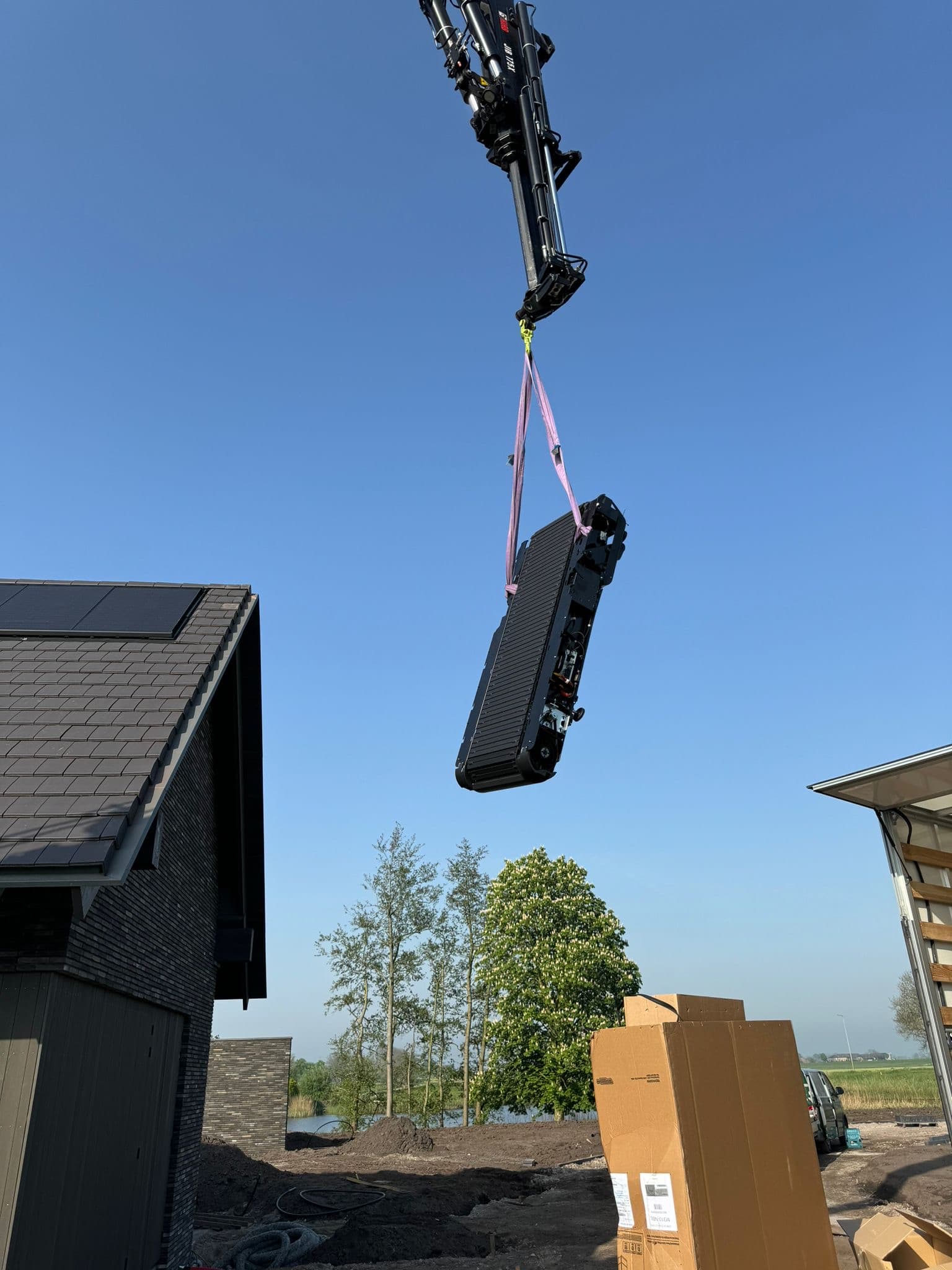
That's why we always do a pre-move inspection! We measure: doorways, hallways, elevators, ceiling height, and floor load capacity. If something doesn't fit, we devise solutions: disassemble equipment into smaller parts, alternative access (window, balcony, crane), or adjust layout.
Do we need to close the gym during relocation?
Not necessarily! With smart planning you can minimize downtime: Phased relocation: move in parts (cardio zone day 1, free weights day 2), stay partially operational. Weekend relocation: start Friday evening, ready Monday morning. Temporary setup: install most important equipment first.
How do you protect floors and walls during relocation?
Protection is standard with professional movers: Floors: thick protection mats on all routes, special dollies with rubber wheels, never drag - always lift or roll. Walls and doors: corner protectors on all corners, protect door frames, cover elevator walls.
Can you also directly install at the new location?
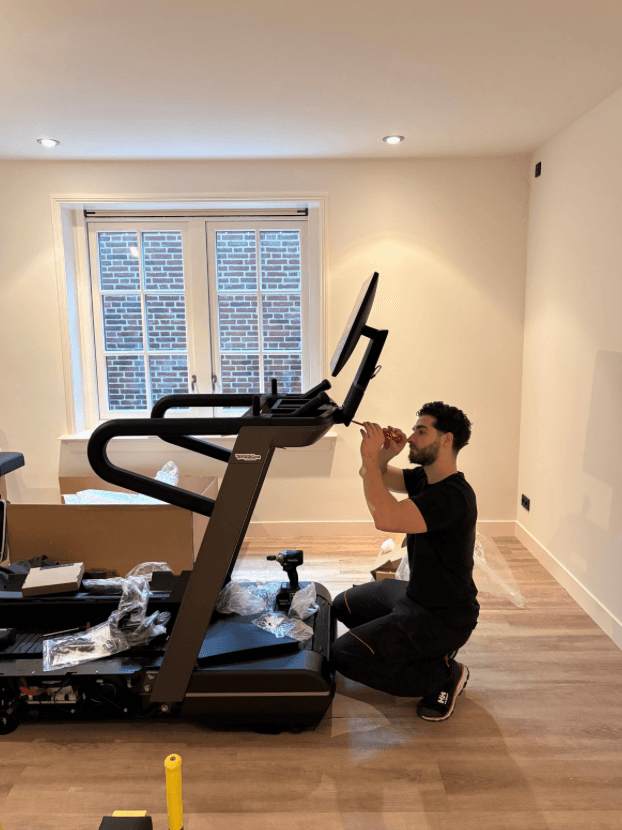
Yes, complete white-glove service! We do: prepare new location (floor check, cleaning), place equipment according to plan, re-assemble and anchor everything, floor installation if needed, hang mirrors, connect lighting, final inspection and function test, and complete cleaning.


Follow Us
Stay updated with our latest projects and inspiration